What Is Yaupon Tea? America's Forgotten Caffeine
Here's something most people don't know: the only caffeinated plant native to North America has been growing wild across the Southeast for thousands of years. Indigenous peoples drank it daily for over 8,000 years — for ceremony, for trade, for the same reason we reach for coffee in the morning.
Then Europeans showed up, gave it a Latin name that translates roughly to "holly that makes you vomit," and the plant almost vanished from American life.
The name is a lie. And there's a decent chance it was a deliberate one.
Yaupon (pronounced "YO-pon") doesn't make anyone throw up under normal brewing. The Latin name — Ilex vomitoria — came from early European observers watching Indigenous purification ceremonies where yaupon was drunk in large quantities alongside other herbs. Botanists ran with the worst possible interpretation. And it just so happens that the tea merchants of the day, the ones importing leaves from China and selling them at a premium, had every financial reason not to compete with a free plant growing in every ditch from Virginia to Texas.
Convenient, right?
What It Actually Is
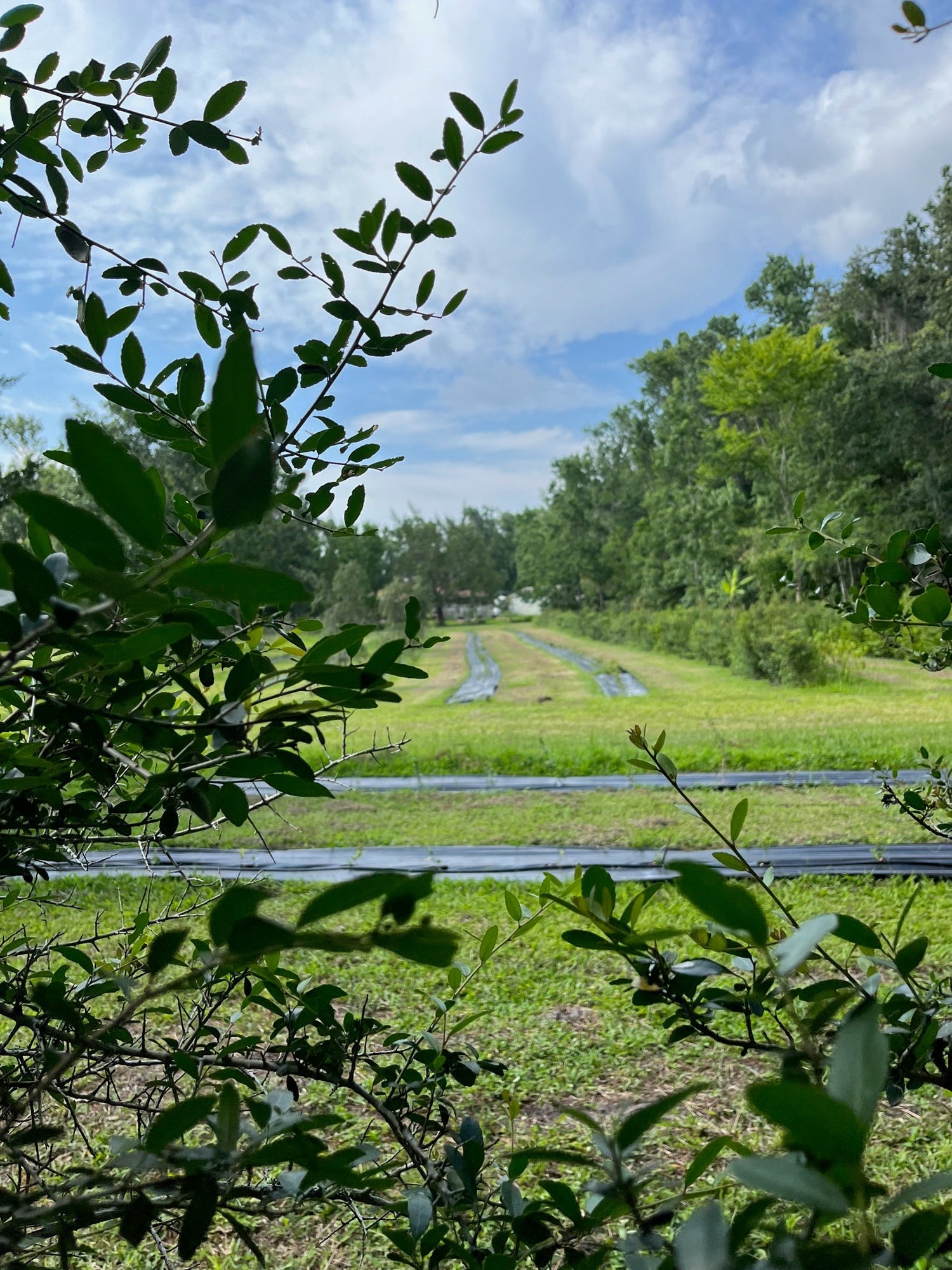
Yaupon is a holly. It grows wild across the American Southeast, thriving in sandy soil, salt spray, and drought. Cows won't eat it. Hurricanes don't kill it. The deer leave it alone.
The leaves and small stems are dried, lightly roasted or left green, and brewed just like any other tea. That's it. No processing secrets. No exotic origin story. Just a tough little holly that happens to make a clean, caffeinated drink when you pour hot water over it.
The History We Lost
Before European contact, yaupon was one of the most widely traded plants in the region. Archaeologists have found residue of it in ceremonial cups hundreds of miles from where it grew. It showed up in purification rituals, in diplomatic exchanges, in daily household use. Some tribes called it the "white drink." It was part of life.
Europeans encountered it, documented it, and then — as trade with China opened up — steadily replaced it. The British East India Company had no interest in promoting a free American competitor. Coffee plantations in the Caribbean didn't either. By the time the American colonies were dumping British tea into Boston Harbor in protest, yaupon was still being drunk along the coast but was already losing ground culturally.
The vomit name didn't help. Neither did the displacement of the Indigenous communities who kept the tradition alive. By the 20th century, yaupon was essentially forgotten outside a few Gulf Coast holdouts.
That's the part worth sitting with. We had a caffeinated native plant. Good for the land, good for people, woven into thousands of years of American history. And we swapped it for imports, partly because somebody with a ledger made the marketing stick.
What It Tastes Like
I'll be honest because there's no reason not to be. Yaupon tastes closer to a light green tea than anything else — clean, a little grassy, soft. Not bitter. It doesn't have the tannic bite of black tea or the earthy edge of matcha. It's milder than either.
That mildness is actually the interesting part. It takes on whatever you pair with it. Citrus, berries, hibiscus, ginger, cinnamon, vanilla — yaupon holds them all without fighting back. That's why most of the yaupon people drink today is blended. The plain leaf is good. The blended versions are where it gets fun.
Caffeine Without the Crash
A cup of yaupon runs roughly 40–60mg of caffeine depending on how long you steep it. That's less than coffee, comparable to a strong green tea.
What makes it different is theobromine. Same compound you'll find in dark chocolate. Theobromine releases slower than caffeine and hits the body differently — less spike, more sustained focus. People who jitter on coffee usually don't jitter on yaupon. It's also why there's no crash at 2pm.
If you've ever wanted coffee's brain without coffee's nerves, this is about as close as you'll get.
Why It's Coming Back
A few things lined up at once.
Sustainability actually matters here. Yaupon grows wild. It doesn't need pesticides because nothing eats it. Its roots go deep enough that it doesn't need irrigation. You can harvest it without tearing up an acre of farmland. Compared to imported tea and coffee — which involve shipping halfway around the world, heavy water use, and pesticide-heavy monoculture — yaupon barely registers on the footprint scale.
There's also real interest in American-grown food right now. Not the flag-waving kind — the kind that comes from wanting to know where your stuff comes from. Yaupon is as local as it gets for anyone in the Southeast. And the health side is legitimate too. Native antioxidant profile, no added sugar, no processing weirdness.
It's not hype. It's just a good plant that got buried and is being dug back up.
Rise Yaupon
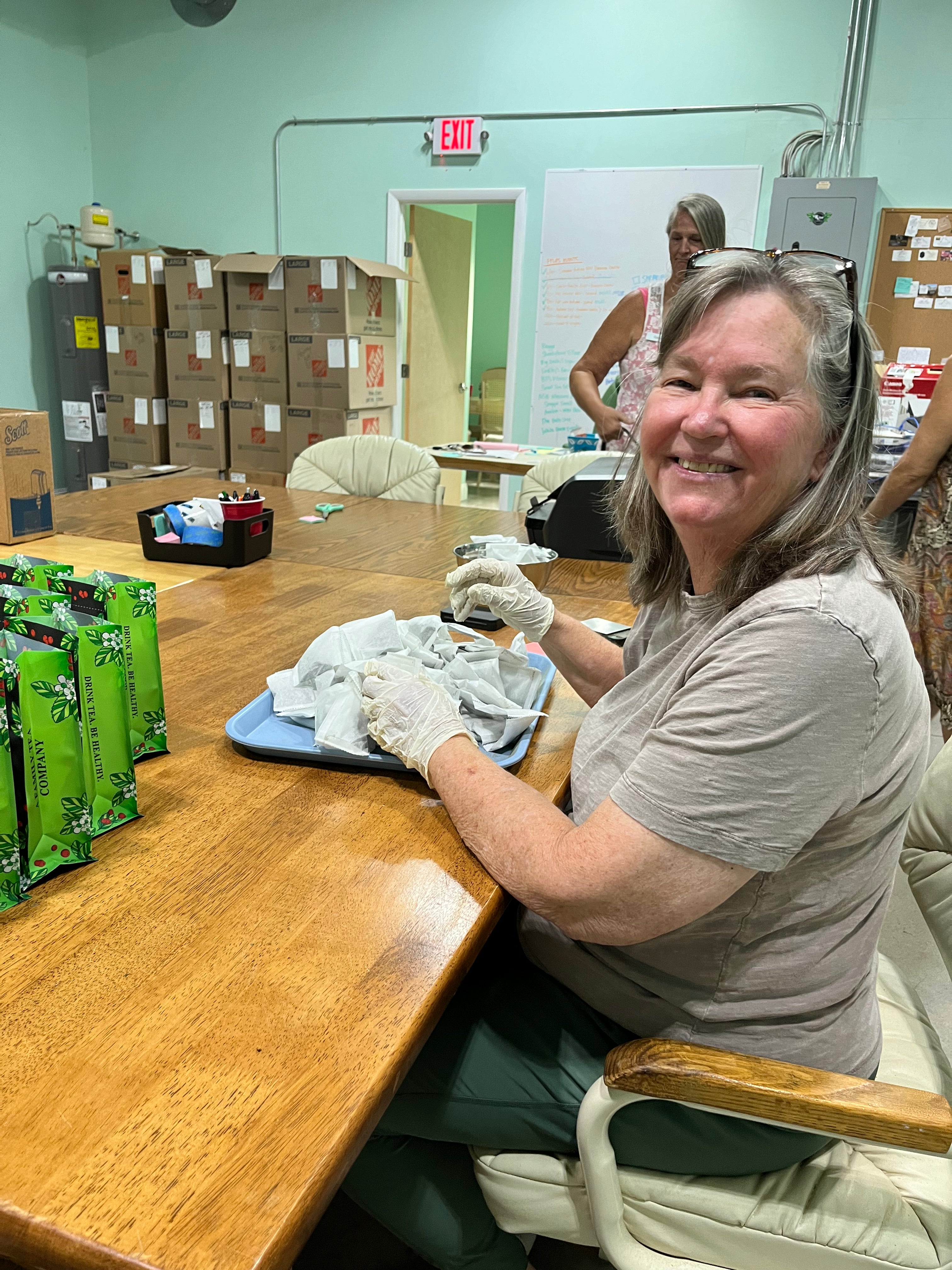
We grow ours in Edgewater, Florida. We harvest it by hand, process it in-house, and blend it here. Women-owned and veteran-owned, small operation, no middlemen. That's about all that needs saying.
You're Part of the Revival
The suppression story is the part that sticks with people, so I'll close with it. Yaupon didn't disappear because it was bad. It disappeared because somebody with a ledger had a reason to make it disappear. Every cup someone brews is a small piece of that being undone.
If you want to try it, grab a bag or take the quiz to find the blend that'll match what you already drink.

Leave a comment
This site is protected by hCaptcha and the hCaptcha Privacy Policy and Terms of Service apply.